The Washington Monument and the National Mall together represent the heart of American history and ideals. The monument, completed in 1884, honors George Washington, symbolizing leadership, unity, and the aspirations of a young nation. Its towering obelisk form reflects strength and reverence for democratic principles. Surrounding it, the National Mall serves as a stage for the nation’s most pivotal moments—from presidential inaugurations to civil rights marches, including Martin Luther King Jr.’s 1963 “I Have a Dream” speech. As a space of both commemoration and civic action, the Mall reflects America’s evolving identity and ongoing pursuit of justice and equality. An artwork depicting these landmarks captures more than physical structures—it embodies a legacy of struggle, triumph, and hope. Together, they form a powerful visual narrative of the American story, inviting viewers to reflect on the past while imagining the possibilities of the future.
The Washington Monument and the National Mall together represent the heart of American history and ideals. The monument, completed in 1884, honors George Washington, symbolizing leadership, unity, and the aspirations of a young nation. Its towering obelisk form reflects strength and reverence for democratic principles. Surrounding it, the National Mall serves as a stage for the nation’s most pivotal moments—from presidential inaugurations to civil rights marches, including Martin Luther King Jr.’s 1963 “I Have a Dream” speech. As a space of both commemoration and civic action, the Mall reflects America’s evolving identity and ongoing pursuit of justice and equality. An artwork depicting these landmarks captures more than physical structures—it embodies a legacy of struggle, triumph, and hope. Together, they form a powerful visual narrative of the American story, inviting viewers to reflect on the past while imagining the possibilities of the future.

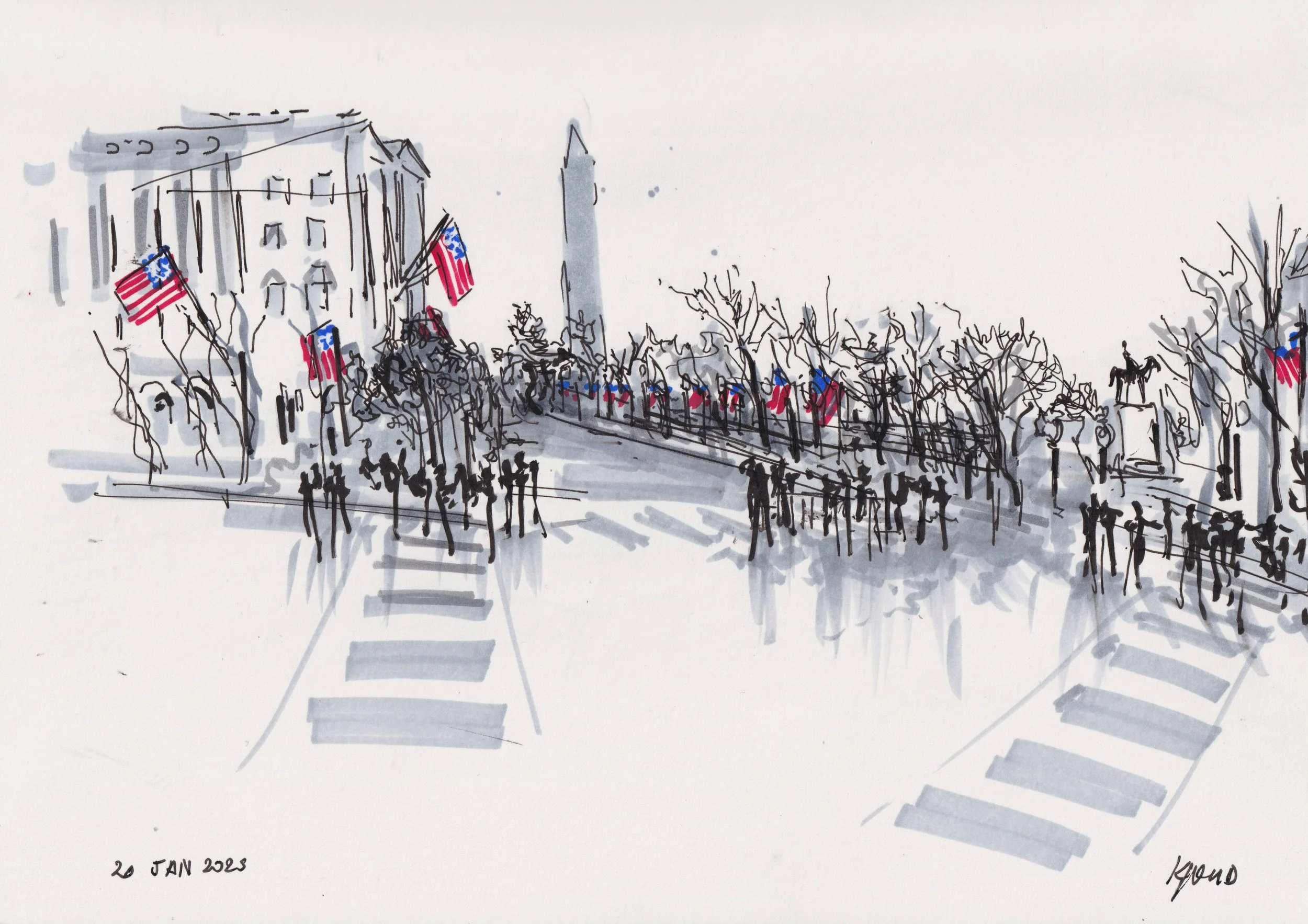 Image 1 of 2
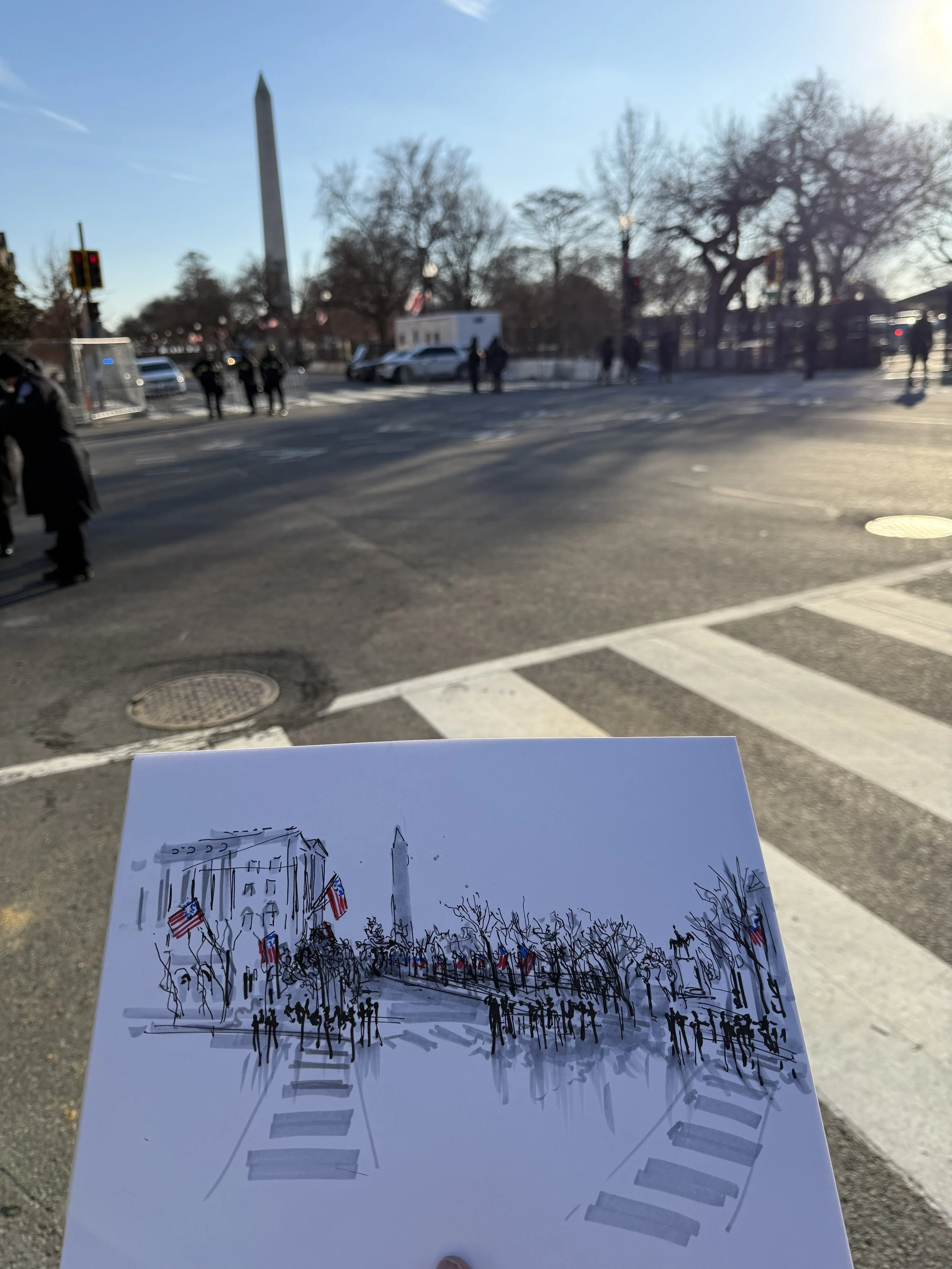 Image 2 of 2